Hotels for Sports Teams: What to Look For and What to Avoid
 Raj Patel
What makes a hotel good for sports teams. Amenities, room types, location, and red flags to watch for when booking team travel.
Not every hotel works for a sports team. A hotel that is perfect for a business traveler or a couple on vacation can be a nightmare for 25 athletes. The rooms are too small, the restaurant closes at 9 PM, there is no meeting space, and the manager gets nervous every time a group of teenagers walks through the lobby.
Here is what to look for and what to avoid.
Must-Have Amenities
Double-Double Rooms
Teams need rooms with two queen or two double beds. Not kings. Not pull-out sofas. Actual beds for 2 athletes per room. Before booking, confirm the hotel has enough double-double inventory for your team.
On-Site or Nearby Dining
A hotel restaurant or breakfast buffet simplifies team meals enormously. Coordinating 20 athletes at an off-site restaurant is chaos. An on-site option where the team eats together saves time and keeps everyone on schedule.
Meeting or Gathering Space
Pre-game meetings, film review, and team bonding need space. A conference room, a banquet room, or even a large hospitality suite works. Ask for it complimentary with your room block.
Pool or Fitness Center
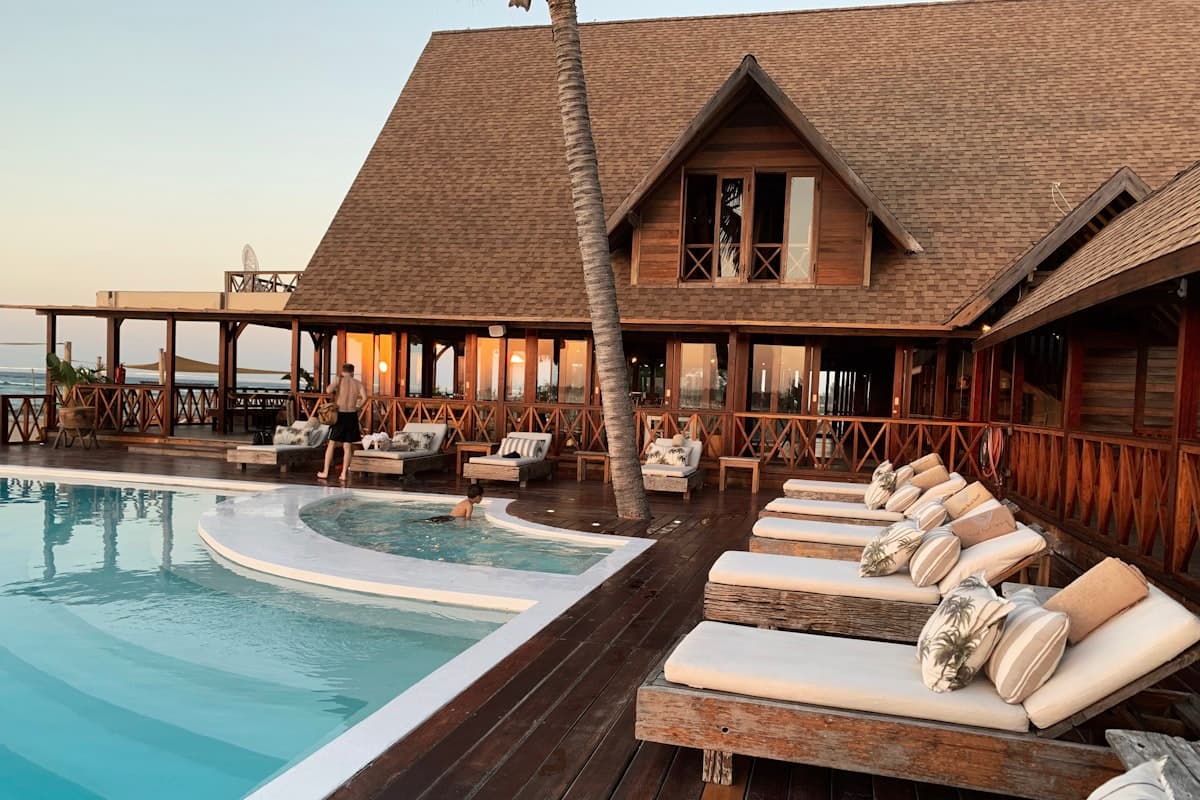
Recovery matters. A pool for cool-down sessions and a basic fitness center for stretching and light workouts help athletes perform better over multi-day tournaments. Not a deal-breaker, but a strong plus.
Adequate Parking
If the team travels by bus or vans, confirm the hotel can park large vehicles. Some hotels charge extra for bus parking ($25 to $50/night) and some cannot accommodate buses at all.
Nice-to-Have Features
Complimentary breakfast. Saves $8 to $15 per person per day. Over a 3-day tournament with 20 athletes, that is $480 to $900 saved.
Laundry facilities. For multi-day tournaments, being able to wash uniforms and gear on-site is valuable.
Quiet hours enforcement. If the hotel is near a highway or in a party district, your athletes will not sleep well. Check reviews for noise complaints.
Flexible cancellation. Tournament brackets change. Games get rained out. Schedules shift. A hotel with a 48-hour cancellation policy is better than one requiring 7-day notice.
Red Flags to Watch For
No group sales department. If the hotel does not have a dedicated person for group bookings, they are not set up for teams. You will get the runaround.
Minimum 2-night stay requirements. Some hotels require a 2-night minimum on weekends. If your tournament is a 1-night stay, this eliminates the option.
No meeting space at all. If you need a team meeting room and the hotel has none, it is not the right fit. A lobby corner is not a meeting room.
Reviews mentioning noise or thin walls. Athletes need sleep. A hotel where every review mentions highway noise or loud neighbors is a risk.
Excessive rules about groups. Some boutique or luxury hotels have policies that effectively discourage team stays. If the front desk seems nervous about a group of 20 athletes, find somewhere else.
Best Hotel Brands for Sports Teams
Courtyard by Marriott. Consistent quality, meeting rooms in most locations, good breakfast options, and group sales departments that understand team travel.
Hampton Inn by Hilton. Free breakfast, reliable rooms, good locations near sports complexes. A top choice for youth and club teams on a budget.
Home2 Suites by Hilton. Kitchenettes, laundry, and a more home-like feel for longer tournament stays. Good for multi-day events.
La Quinta by Wyndham. Budget-friendly, pets welcome (for teams that travel with therapy dogs or service animals), and consistent quality across locations.
Frequently Asked Questions
What is the most important feature for a team hotel?
Location. The closer to the venue, the less time wasted on travel. Everything else is secondary to proximity.
Should the team and parents stay at the same hotel?
It depends on the team's preference. Some coaches want the team at a separate hotel for focus and discipline. Others find it easier to have everyone in one place. Either way, set up the group block to accommodate both.
How do I handle room assignments?
The coach or team manager assigns rooms. Provide a rooming list to the hotel at least 1 week before arrival. This speeds up check-in and ensures room types match the team's needs.